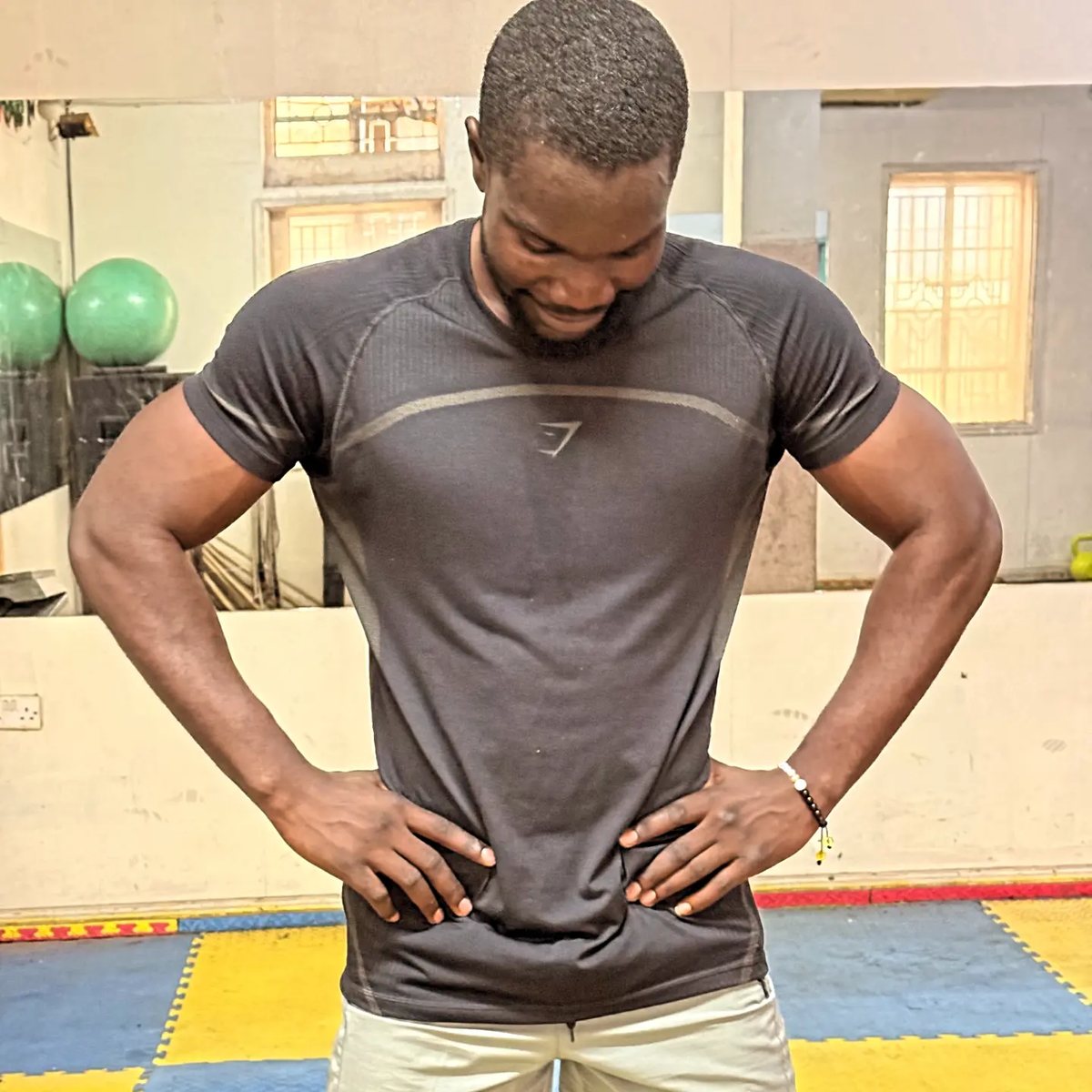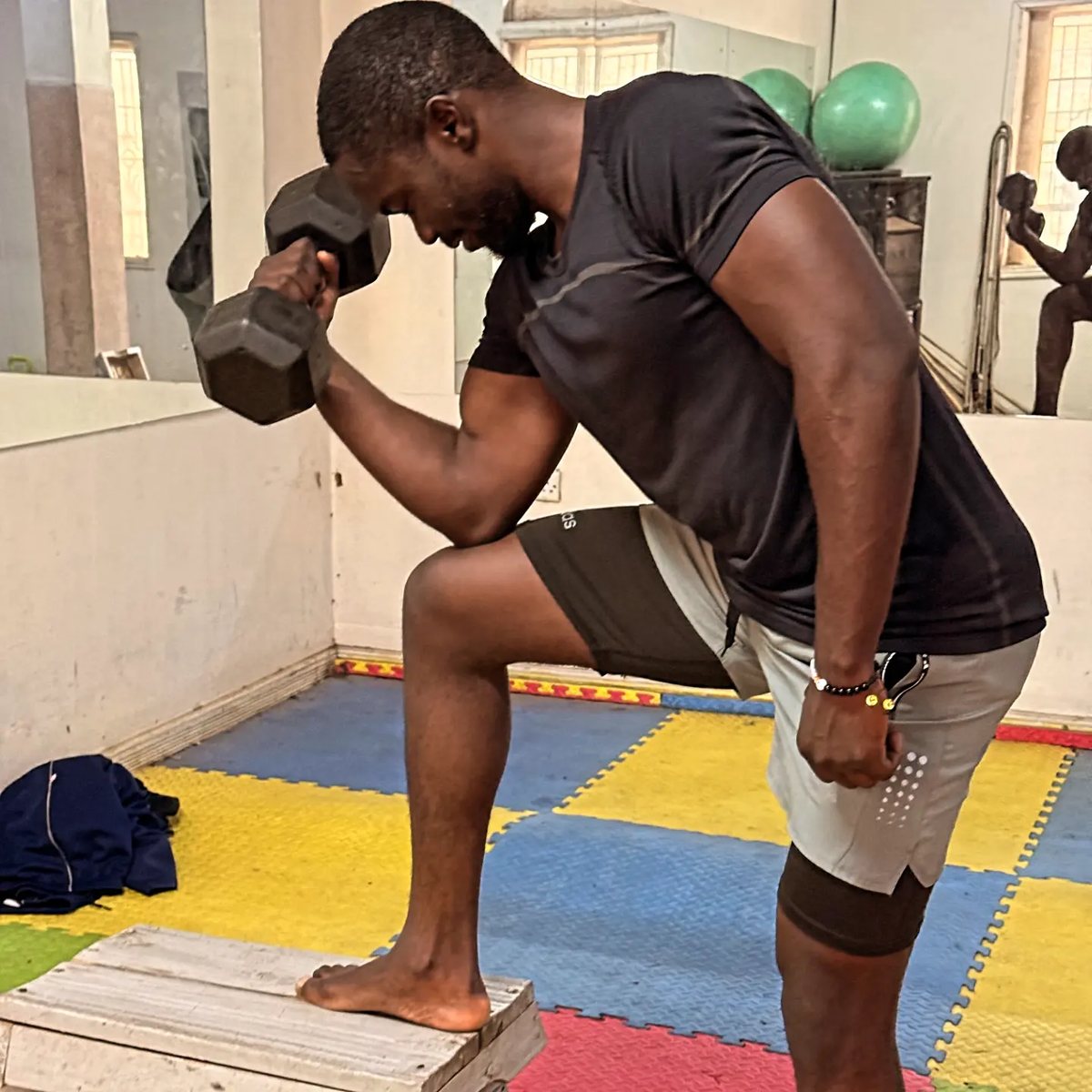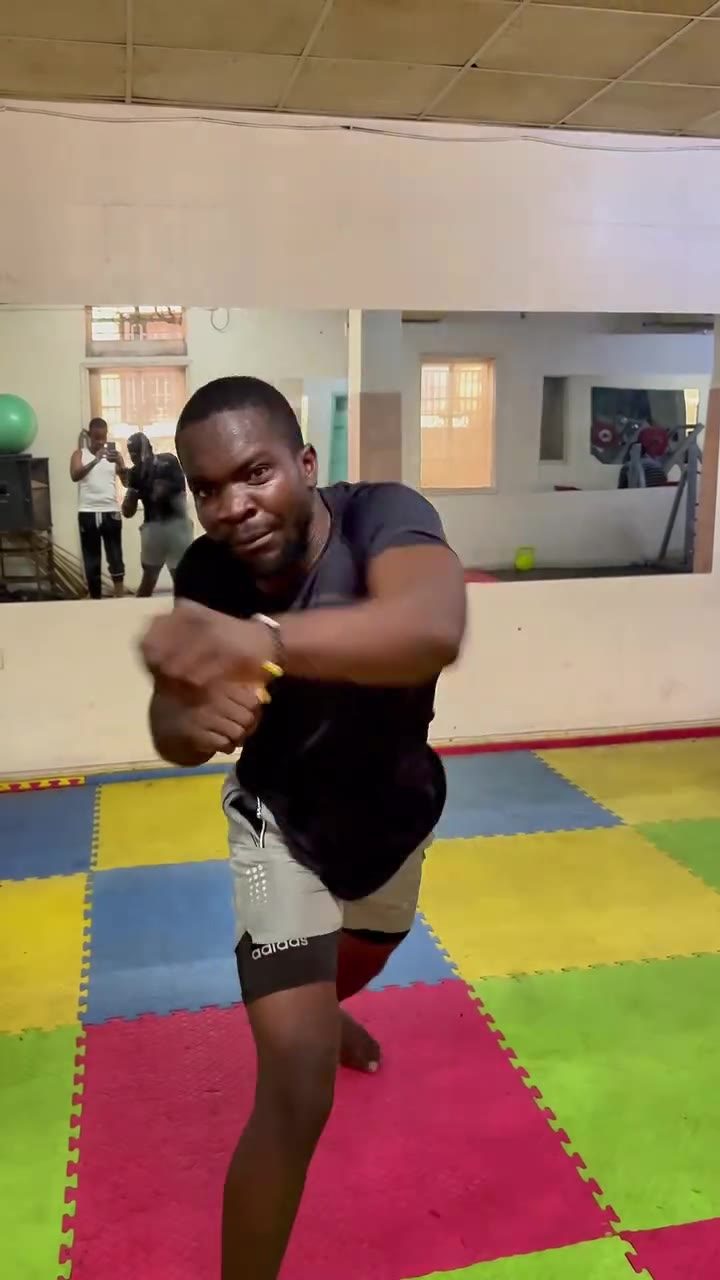
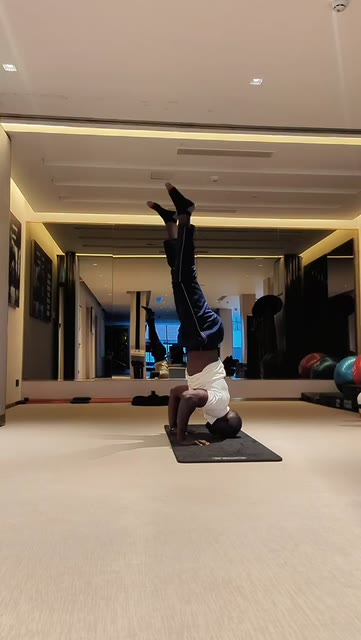
Calisthenics is strength training with the one piece of equipment you always have: your own body. Done properly, it builds usable strength, better joint health and a physique that moves as good as it looks.
On Instagram, Coach Don Michael Ondiro is known for his push-up challenges: one-arm push-ups on both sides, bare-knuckle push-ups and the 100-a-day habit. At D Dynamic Fitness he teaches you the progressions that get you there safely.
Watch: Calisthenics Training in action
Training footage from Coach Don in Nairobi.
Why calisthenics works
Bodyweight training forces your whole body to work together. A strict push-up trains your chest, shoulders and triceps, but also your core, glutes and grip. Calisthenics athletes tend to be strong, lean and hard to injure.
- Train anywhere: at home, in a park, on a rooftop or in the gym.
- No expensive equipment: a pull-up bar and a pair of parallettes go a long way.
- Clear milestones: every new skill is proof you are getting stronger.
- Joint-friendly: controlled bodyweight movement builds stable shoulders, wrists and hips.
Skill progressions we coach
| Skill | Starting point | Goal |
|---|---|---|
| Push-up | Incline push-ups | Strict sets of 20+, then archer and one-arm push-ups |
| Pull-up | Scapular pulls and negatives | Strict pull-ups, then weighted and explosive variations |
| Dip | Bench dips and support holds | Full parallel bar dips |
| Core | Hollow body and plank holds | L-sit and hanging leg raises |
| Legs | Bodyweight squats and lunges | Pistol squats and shrimp squats |
Repetition breeds mastery
One of Don's training rules: use your space, anywhere and anytime, to get reps in. Calisthenics rewards frequent, high-quality practice more than occasional exhausting sessions. Your programme mixes coached sessions with short practice blocks you can do at home or at work.
Calisthenics also pairs well with strength and conditioning if you want to add weights, and with mobility training if stiff shoulders or wrists are holding your skills back.
Who calisthenics training is for
- Beginners who cannot yet do a full push-up or pull-up.
- Busy professionals who want effective workouts without a long gym commute.
- Gym-goers who want to add real relative strength and control.
- Martial artists and athletes who need strength without extra bulk.
A sample beginner calisthenics week
This is the kind of structure a beginner might follow in their first month. Your real programme is adjusted to your starting level.
| Day | Session | Key exercises |
|---|---|---|
| Monday | Push (coached) | Incline push-ups, pike push-ups, bench dips, plank |
| Tuesday | Practice block (10 min) | Push-up negatives and a hollow body hold |
| Wednesday | Pull and legs (coached) | Australian rows, scapular pulls, squats, lunges |
| Thursday | Mobility (15 min) | Wrist prep, shoulder stick drills, hip openers |
| Friday | Full body (coached) | Push-up and row supersets, glute bridges, core circuit |
| Weekend | Active rest | A walk, a run, play or a 100 push-up challenge spread through the day |
The three rules of progression
Calisthenics does not use heavier plates to get harder, so progress comes from three main levers. Understanding them is what separates people who stall at 20 push-ups from people who reach the one-arm push-up.
- Leverage: moving your body to a less helpful angle, for example from incline to flat to decline push-ups, or from knee raises to straight-leg raises.
- Range and control: deeper reps, slower lowering phases and pauses at the hardest point.
- Load distribution: shifting more weight onto one arm or leg, as in archer push-ups, assisted one-arm work and pistol squats.
Each skill in your programme has a ladder of progressions. You only move up a rung once you own the current one, with clean form, for the target reps.
Common calisthenics mistakes we fix
- Sagging hips in push-ups: fixed with plank work and glute engagement cues.
- Kipping before strict strength: we build strict pull-ups first, because they protect your shoulders.
- Skipping wrist preparation: wrists take a lot of load in bodyweight training, so they get their own warm-up.
- Chasing skills too early: a one-arm push-up needs a strong base of full push-ups, archer push-ups and core control.
- Training to failure every set: quality reps with a little left in the tank build strength faster and more safely.
Calisthenics in Nairobi: where to train
One of the best things about calisthenics is that Nairobi itself becomes your gym. Clients train in apartment gyms, on rooftops, in compounds and in public spaces with bars and benches. Coach Don films many of his own challenges outdoors for exactly that reason: you do not need a fancy facility to get strong.
We coach calisthenics clients across the city, including Kilimani and Parklands, where apartment living makes bodyweight training a good option.
Calisthenics Training across Nairobi
We coach calisthenics training clients right across Nairobi, with many in Westlands and nearby neighbourhoods.