Long hours at a desk and in traffic leave most people stiff in the same places: hips, upper back and shoulders. Mobility training restores that range of motion, so you can train harder, sit better and move without aches.
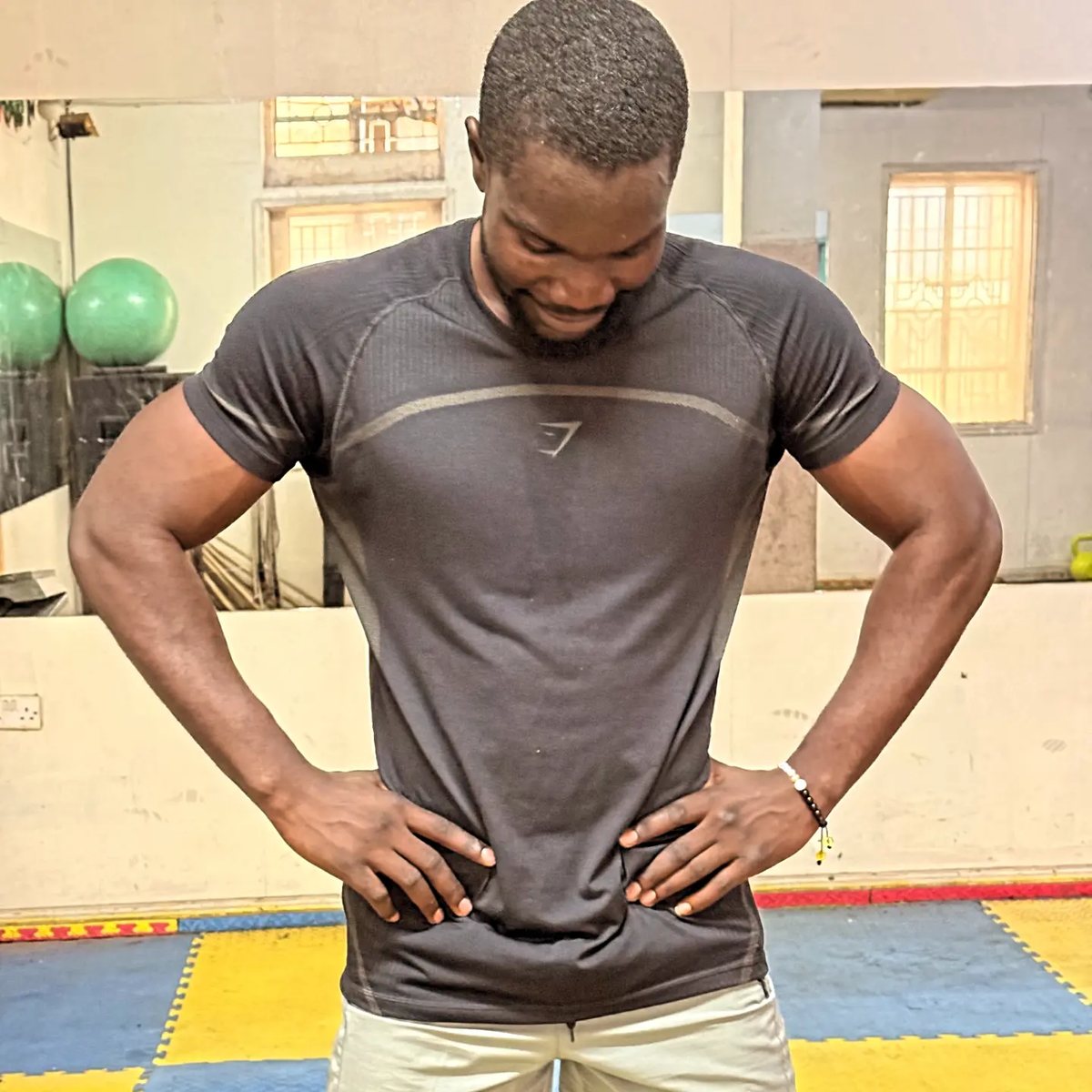
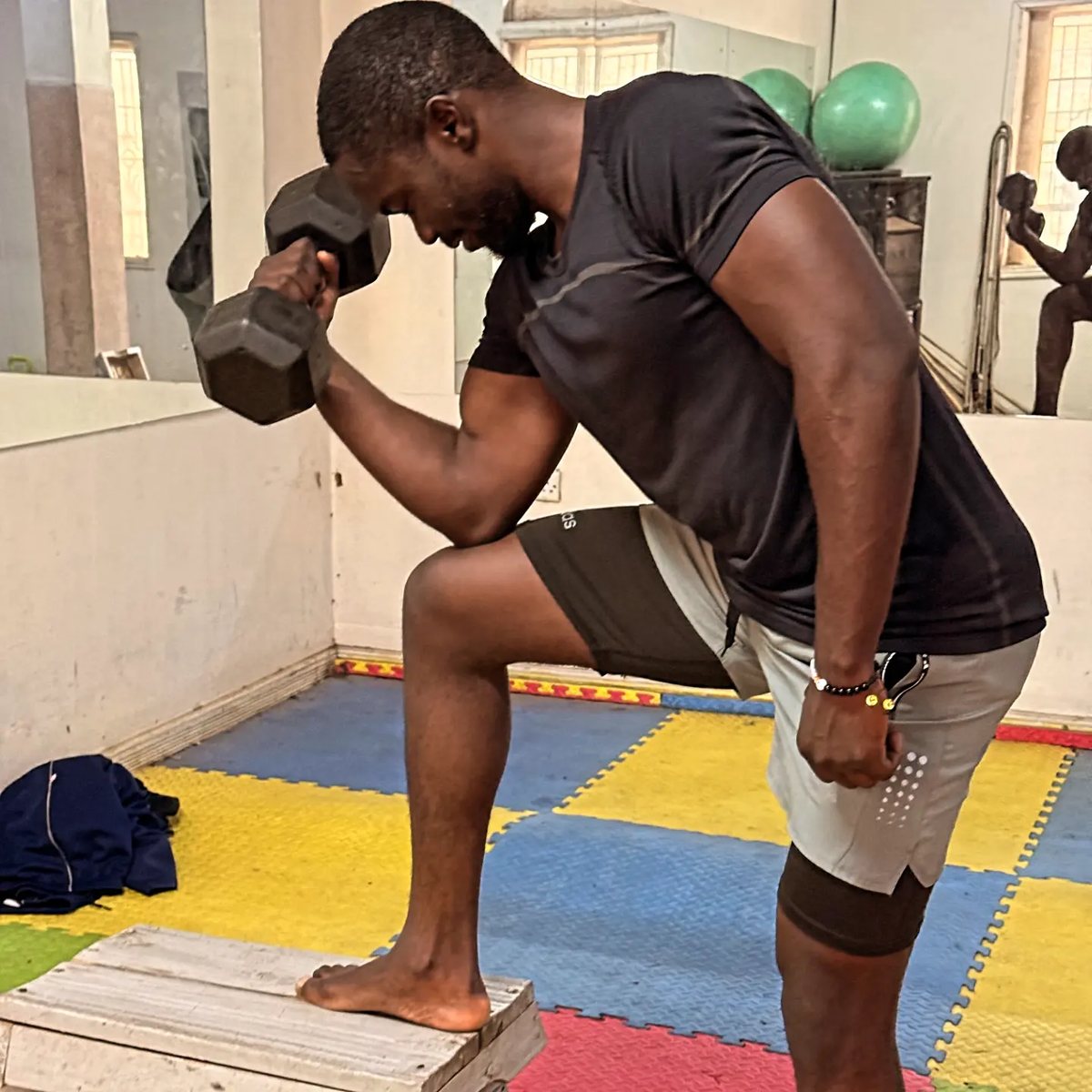
At D Dynamic Fitness, mobility is part of every programme. Stick drills, controlled joint rotations and loaded stretching are the same tools Don uses to keep his own martial arts and calisthenics training pain-free.
What mobility training targets
| Area | Common problem | What we work on |
|---|---|---|
| Shoulders | Rounded posture, overhead stiffness | Stick dislocates, thoracic rotation, scapular control |
| Hips | Tight from sitting | Hip flexor and adductor mobility, 90/90 drills |
| Lower back | Aches after long days | Core control, hamstring and glute mobility |
| Ankles | Poor squat depth | Ankle dorsiflexion and calf work |
Mobility versus stretching
Stretching makes a muscle longer for a moment. Mobility training teaches your body to control that new range, which is why the results last. Sessions combine both, with an emphasis on active control.
Mobility work makes every other service work better, especially calisthenics and strength and conditioning.
Signs you need mobility work
- You cannot squat to parallel without your heels lifting or your back rounding.
- Reaching overhead makes your lower back arch or your shoulders pinch.
- You feel stiff for the first hour after waking up.
- Your hips feel tight after long drives or hours at a desk.
- Old injuries flare up when you increase training.
- Your calisthenics or lifting progress has stalled because of positions you cannot reach.
A 10-minute daily mobility routine
This simple routine is a starting point many clients use between coached sessions. Move slowly and stay within a comfortable range.
- Neck and shoulder circles: 1 minute.
- Cat-cow: 10 slow reps to mobilise the spine.
- Thoracic rotations on all fours: 8 reps per side.
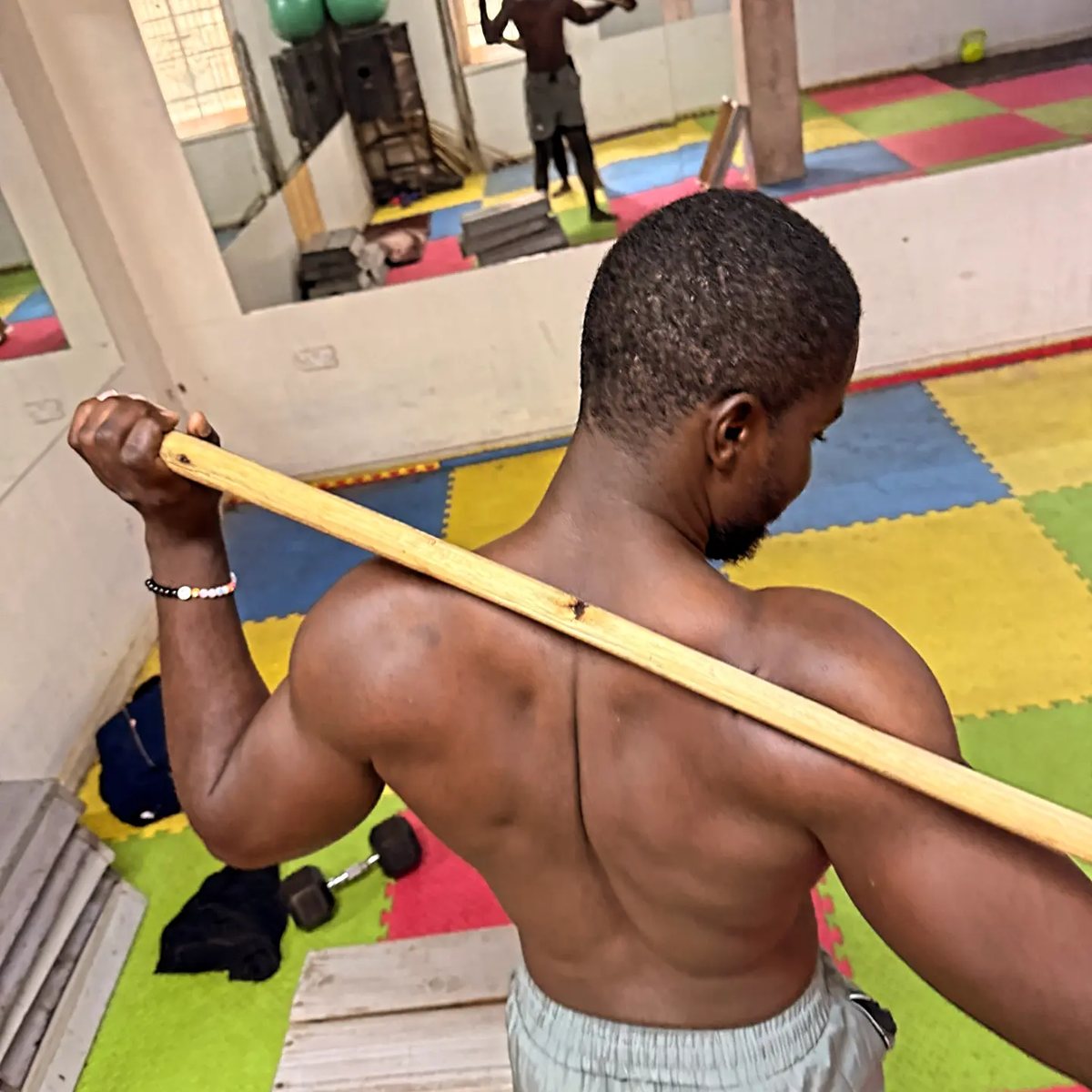
- Stick shoulder dislocates: 10 slow reps with a broomstick or training stick, hands wide.
- 90/90 hip switches: 8 reps per side.
- Deep squat hold: 1 minute, holding onto something for support if needed.
- Kneeling hip flexor stretch: 45 seconds per side.
- Wall ankle mobilisations: 10 reps per side.
Your coach will adjust the routine for your specific problem areas after your assessment.
Mobility for desk workers
Many Nairobi professionals spend eight or more hours a day sitting, plus time in traffic on Mombasa Road, Waiyaki Way or Ngong Road. Sitting is not the enemy, but staying still for hours is. Mobility coaching gives you:
- Quick desk-friendly movements you can do between meetings.
- Posture strategies that do not rely on sitting perfectly straight all day.
- Strengthening for the muscles that switch off with long sitting: glutes, upper back and deep core.
Desk-worker mobility programmes are popular with clients in Lavington and Kilimani. For a complete plan, combine mobility with one-on-one personal training.
Mobility for martial artists and athletes
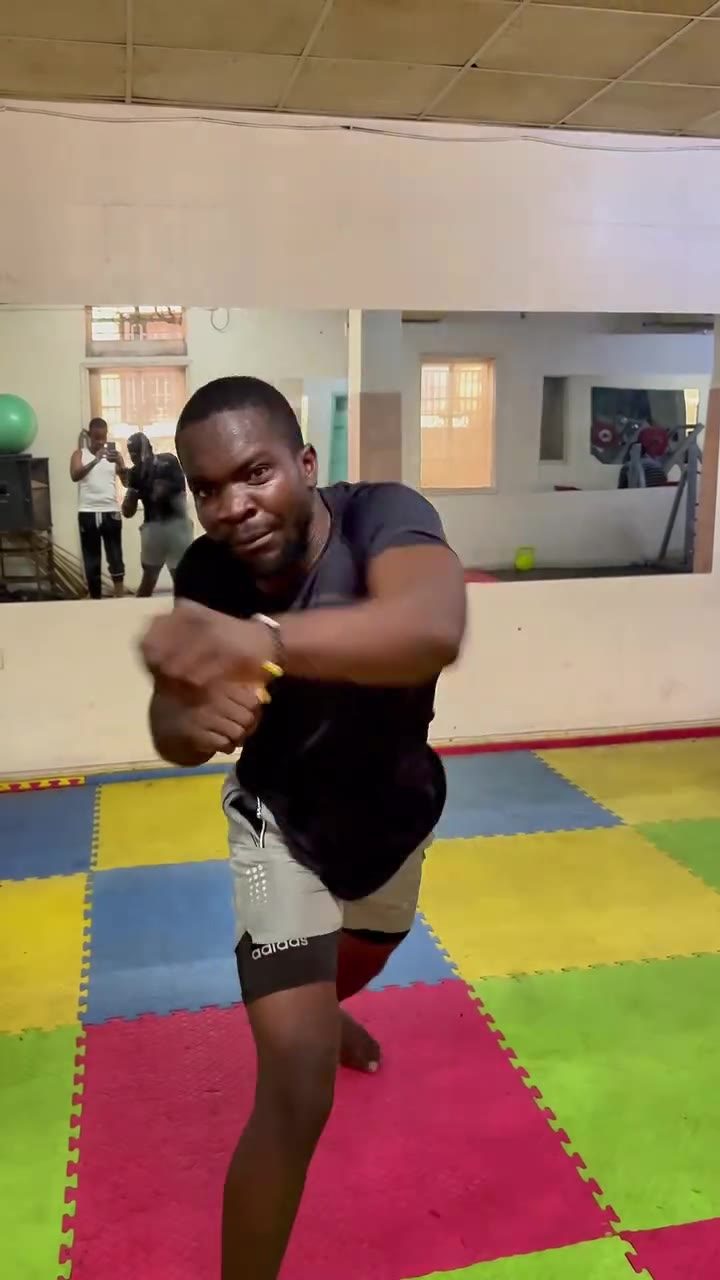
High kicks need open hips. Strong punches need a mobile upper back. Deep squats need good ankles. Mobility work is built into Coach Don's own Jeet Kune Do and calisthenics training, and it is part of every athlete's programme at D Dynamic Fitness, so you can reach the positions your sport demands without forcing them.
Mobility Training across Nairobi
We coach mobility training clients right across Nairobi, with many in Kilimani and nearby neighbourhoods.