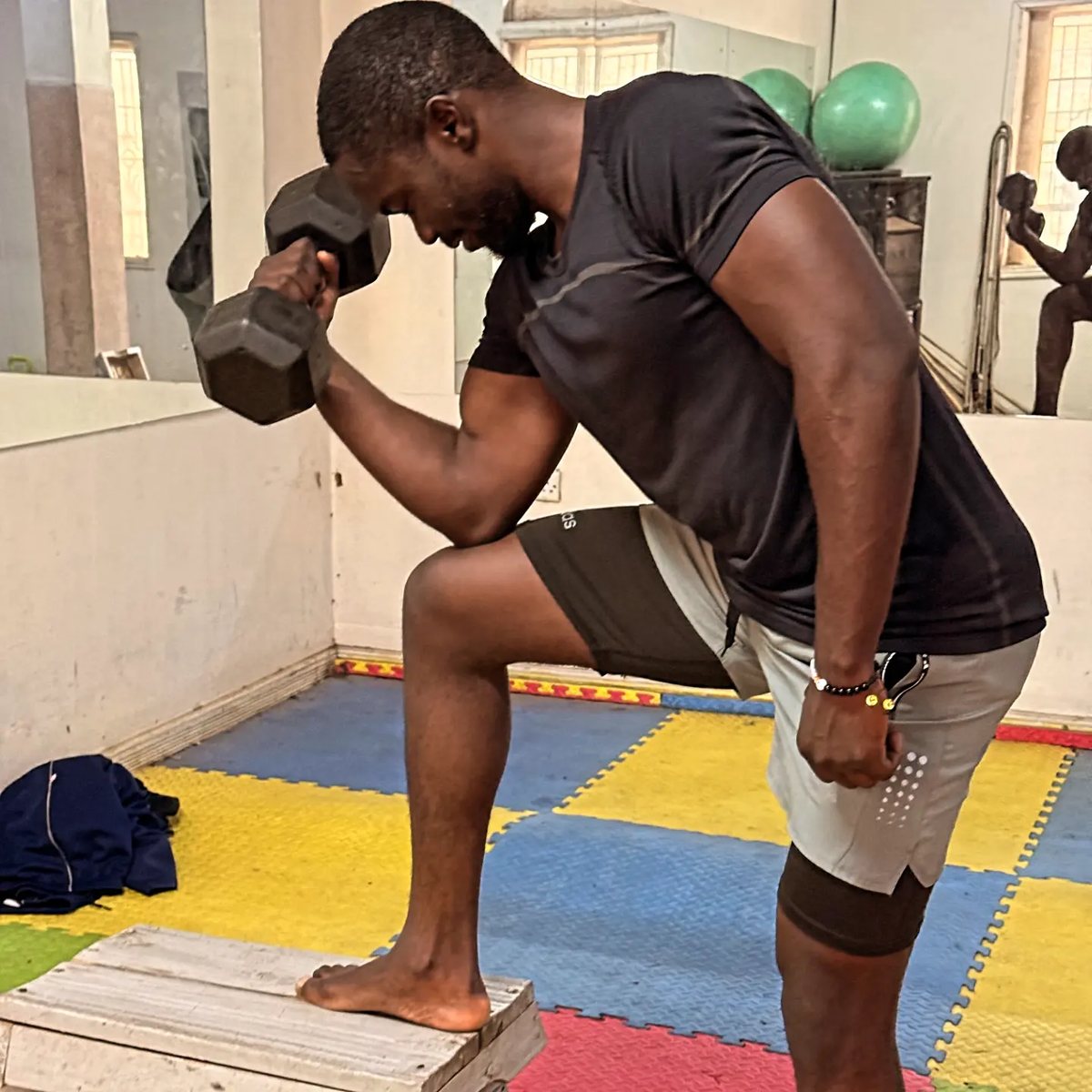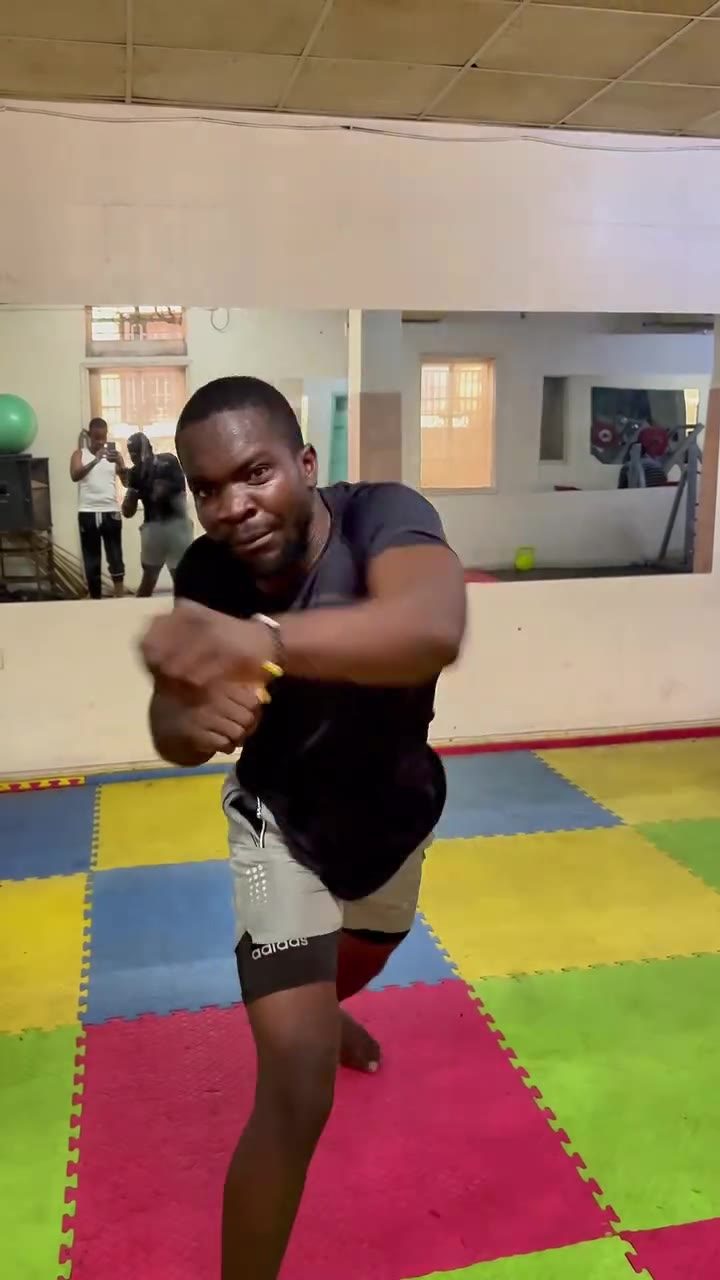
Jeet Kune Do is the martial art and philosophy developed by Bruce Lee. It focuses on what works: direct strikes, efficient movement, and adapting to whatever is in front of you. It is one of the most practical systems you can learn for self-defence.
Don Michael Ondiro trains in Jeet Kune Do and leisure MMA, and his students call him Sensei. At D Dynamic Fitness, martial arts training is about two things: learning skills you could really use, and getting fitter than you thought possible.
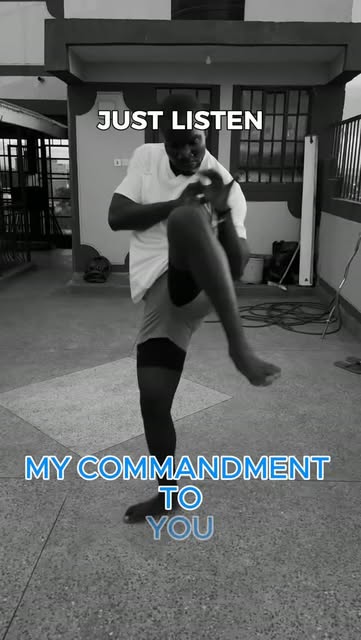
Watch: Jeet Kune Do Training in action
Training footage from Coach Don in Nairobi.
What you will learn
- Stance and footwork: how to move, close distance and get out of range.
- Straight lead and combinations: the core Jeet Kune Do striking tools.
- Kicks: low-line kicks, front kicks and roundhouse kicks with proper chambering.
- Defence: parries, slips, blocks and simple counters.
- Pad and bag work: power, timing and accuracy against moving targets.
- Self-defence awareness: avoiding trouble first, and handling it if you cannot.
Martial arts conditioning
Martial artists need a specific kind of fitness: explosive power, stamina across rounds and a strong core that links your legs to your hands. Sessions include the conditioning work you see on Don's Instagram, such as bare-knuckle push-ups, shadow boxing intervals and kick drills, scaled to your level.
If you want more striking volume, pair this with boxing and kickboxing fitness. If you want more raw strength, add calisthenics training.
Is Jeet Kune Do right for you?
| You want to… | How the training helps |
|---|---|
| Feel safer in the city | Practical self-defence and awareness skills |
| Get fit without boring cardio | Pad rounds and drills that burn a lot of energy |
| Improve coordination and focus | Footwork and combinations train mind and body together |
| Build discipline | Structured practice with clear progressions |
Kids, teens and adults
Martial arts training builds confidence and discipline at every age. Sessions are available for adults and, by arrangement, for teenagers and children, always focused on control, respect and safety. Ask on WhatsApp about private and small-group options.
The principles behind Jeet Kune Do
Jeet Kune Do translates roughly as "the way of the intercepting fist". Rather than a fixed set of forms, it is a set of principles. These ideas shape how every class is taught:
- Economy of motion: the shortest, most direct path to the target wins.
- Interception: meet an attack as it starts instead of waiting to block it.
- Simplicity: a small set of techniques trained well beats a large set trained badly.
- Adaptability: absorb what is useful, discard what is not, and adapt to your own body.
- Live training: skills are tested against moving, resisting partners and pads, as well as in the air.
Your progression path
| Stage | Focus | Typical timeframe |
|---|---|---|
| Foundation | Stance, footwork, straight lead, basic kicks, guard | First 1 to 2 months |
| Development | Combinations, defence and counters, pad work at pace | Months 2 to 6 |
| Application | Timing drills, controlled partner work, self-defence scenarios | Months 6+ |
| Ongoing | Refining your own style, conditioning, optional light sparring | As far as you want to go |
Timeframes depend on how often you train. Two sessions a week plus a little shadow boxing at home is enough for steady progress.
A typical martial arts session
- Warm-up: skipping, joint mobility and dynamic stretches for hips and shoulders.
- Footwork drills: advancing, retreating, angling off and changing range.
- Technique block: one or two new skills broken down step by step.
- Pad rounds: putting the skill together at speed, with power and timing.
- Conditioning: push-up variations, core work and short intervals.
- Cool-down: stretching and a quick review of what you learned.
Self-defence in the city
Self-defence starts before any technique. Training covers awareness on busy streets and matatu stages, keeping distance, confident body language and de-escalation, because avoiding a fight is always the first option. Physical skills are taught as a last resort, built on simple, high-percentage strikes and escapes.
Martial arts training is popular with clients in Kileleshwa and Lavington, including families looking for confidence-building classes for teenagers. Students who want a stronger base can add strength and conditioning.
Jeet Kune Do Training across Nairobi
We coach jeet kune do training clients right across Nairobi, with many in Kileleshwa and nearby neighbourhoods.