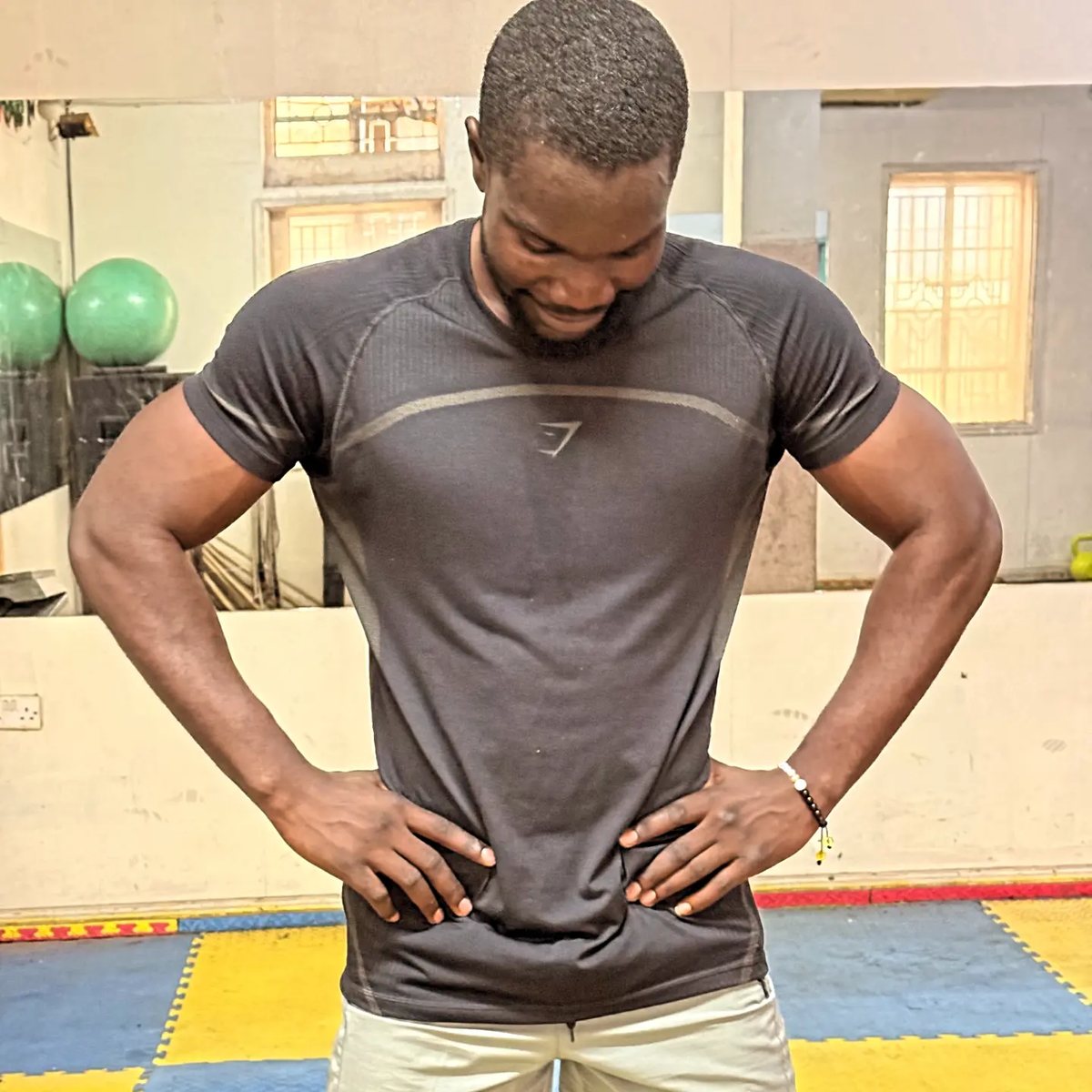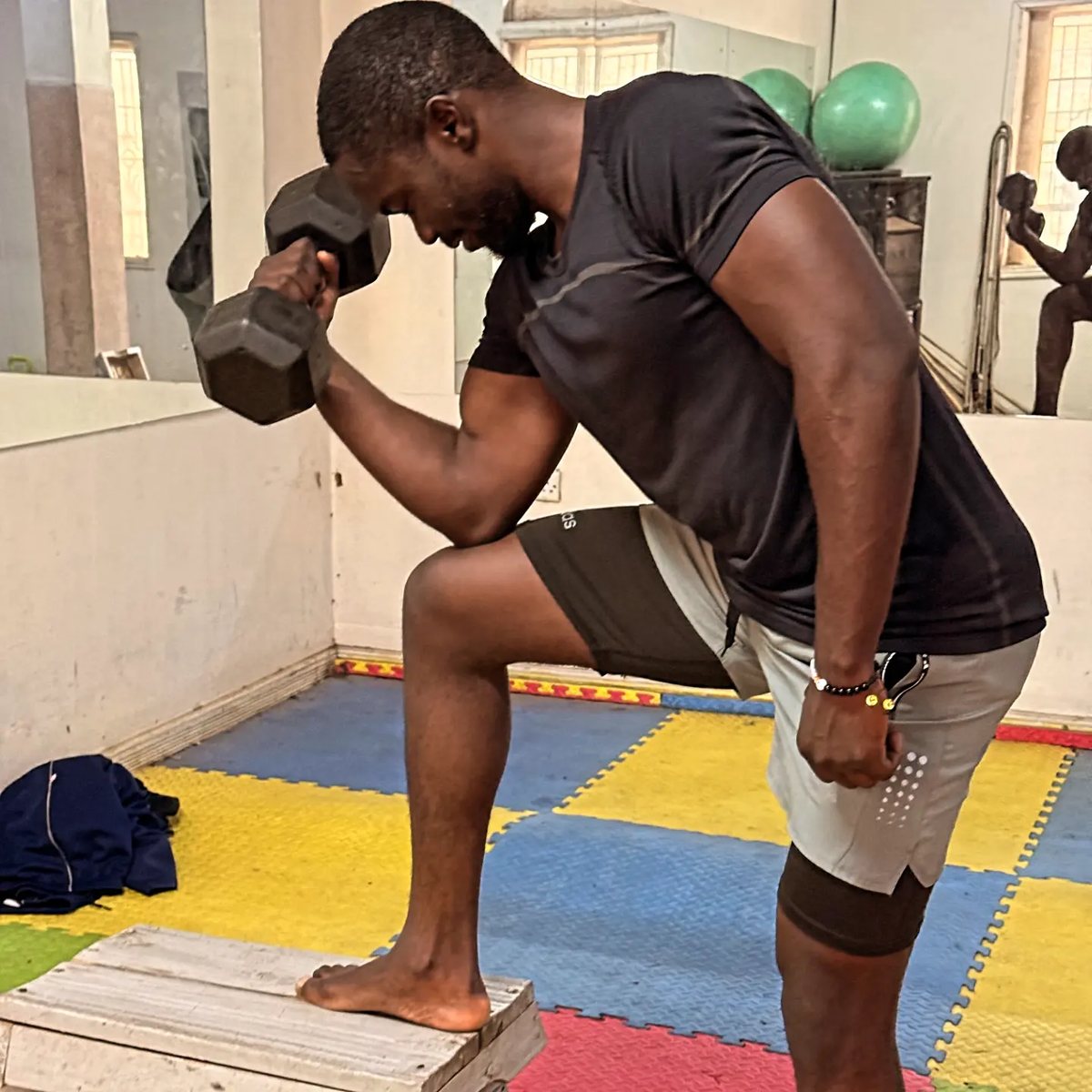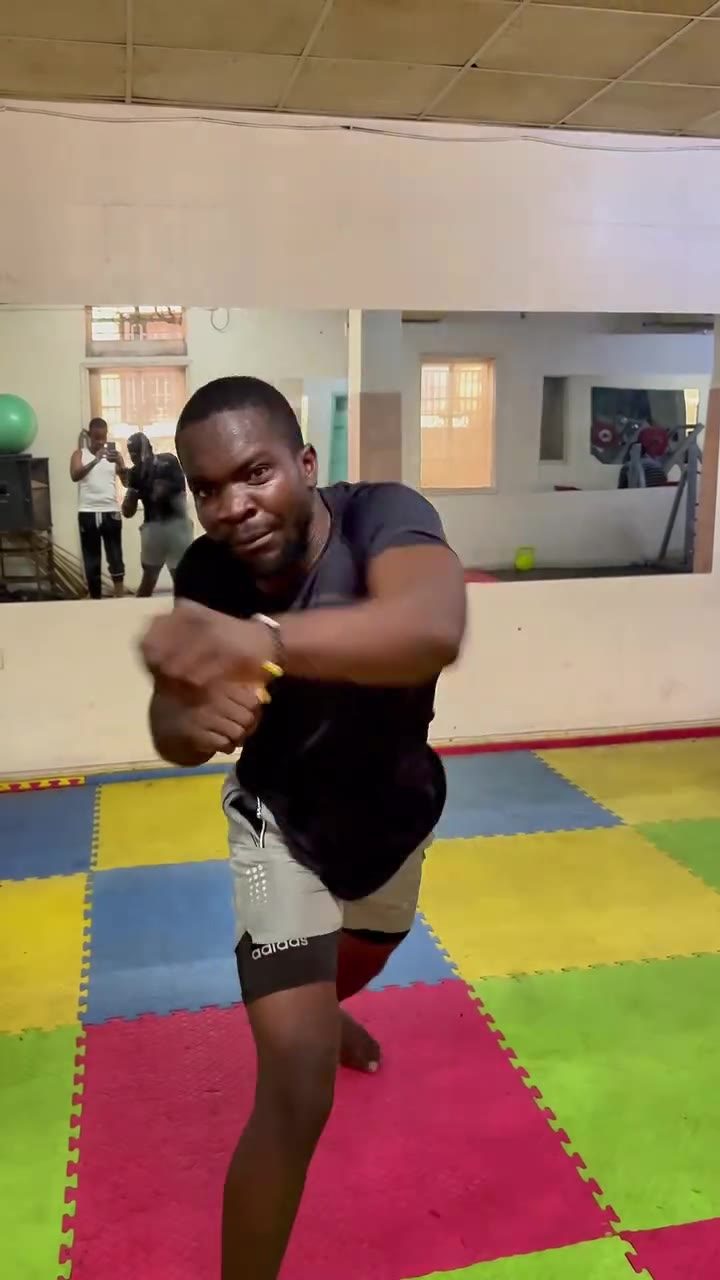
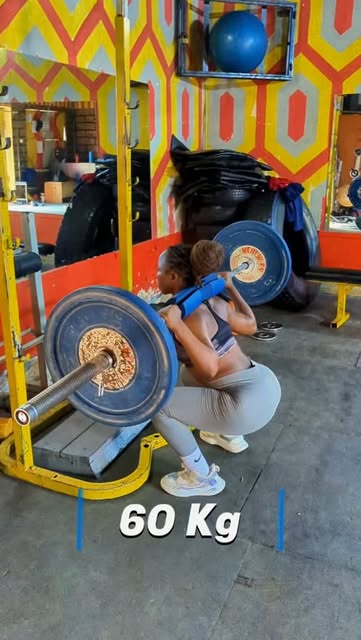
Strength and conditioning is how athletes prepare their bodies for sport: more power, more speed, more endurance and fewer injuries. You do not need to be a professional athlete to benefit from training like one.
Don Michael Ondiro is a certified fitness and performance coach. At D Dynamic Fitness, performance coaching combines barbell and dumbbell strength work, calisthenics, plyometrics and conditioning into one plan.
Watch: Strength & Conditioning in action
Training footage from Coach Don in Nairobi.
What performance coaching covers
- Maximal strength: squats, deadlifts, presses and rows with sound technique.
- Power: jumps, throws and explosive bodyweight drills.
- Speed and agility: acceleration, change of direction and footwork.
- Conditioning: energy-system work matched to your sport.
- Injury resilience: mobility, single-leg strength and joint prep.
Who it is for
| Athlete | Training priority |
|---|---|
| Footballers and rugby players | Sprint speed, power, repeat-effort conditioning |
| Runners | Leg strength, tendon resilience, running economy |
| Martial artists and boxers | Explosive power, core strength, round-to-round stamina |
| Active adults | Strength, energy and staying injury-free |
How programmes are structured
Training runs in blocks of four to six weeks. Each block has a clear focus, such as building a base, increasing strength or peaking for a season, and ends with a quick retest so you can see the progress in numbers.
Strength coaching pairs well with mobility and flexibility training for recovery, and with one-on-one personal training if you prefer every session fully coached.
The building blocks of athletic performance
Every sport demands a different mix of qualities, but all of them sit on the same foundation. Performance coaching works on each layer in order:
- Movement quality: squat, hinge, lunge, push, pull and carry patterns done well.
- Strength: the ability to produce force, the base for everything else.
- Power: producing that force quickly, for jumping, sprinting, striking and throwing.
- Speed and agility: applying power in the right direction at the right time.
- Sport-specific conditioning: fitness that matches the demands of your game.
Skipping steps is the most common reason athletes get injured. A footballer chasing sprint speed without single-leg strength is a hamstring injury waiting to happen.
Sample training block for a footballer
| Session | Main work | Supporting work |
|---|---|---|
| Strength A | Squats, Romanian deadlifts | Copenhagen planks, Nordic hamstring curls |
| Speed and power | Acceleration sprints, box jumps, bounds | Ankle and calf work, core anti-rotation |
| Strength B | Split squats, push-ups or presses, rows | Hip mobility, single-leg balance |
| Conditioning | Repeat sprint intervals | Mobility and recovery |
The same structure adapts for rugby players, basketball players, runners and martial artists by changing the exercise selection and the conditioning work.
Testing and tracking
At the start and end of each block we test a few simple markers, chosen for your sport:
- Strength: rep maximums on key lifts or strict pull-ups and push-ups.
- Power: broad jump or vertical jump.
- Speed: 10 m and 20 m sprint times.
- Conditioning: a repeat-effort test matched to your sport.
- Mobility: simple range-of-motion screens for hips, ankles and shoulders.
Recovery matters as much as training
Strength is built in training but gained during recovery. Programmes include guidance on sleep, hydration, eating enough protein and planning lighter weeks. If you play matches on the weekend, heavy sessions are scheduled early in the week so you arrive fresh.
Performance coaching is popular with runners, cyclists and weekend athletes in Karen and Kileleshwa. For extra striking power, combine it with Jeet Kune Do or boxing fitness.
Strength & Conditioning across Nairobi
We coach strength & conditioning clients right across Nairobi, with many in Kileleshwa and nearby neighbourhoods.